

best sellers


Sale!
Original price was: $28.00.$14.00Current price is: $14.00.
Sale!
Original price was: $75.00.$20.00Current price is: $20.00.
Sale!
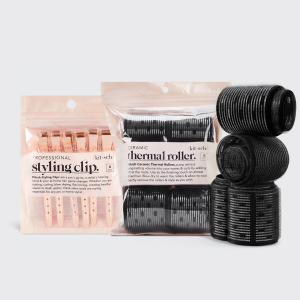
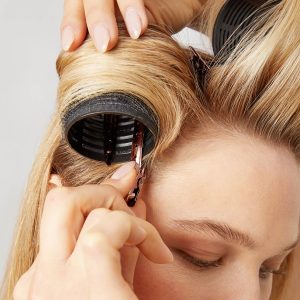
Original price was: $28.00.$10.00Current price is: $10.00.
Sale!
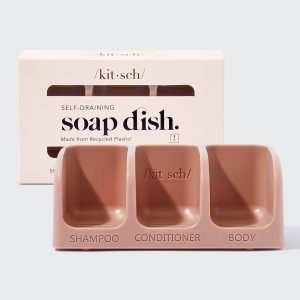
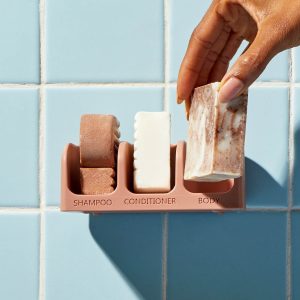
Original price was: $14.00.$7.00Current price is: $7.00.
top collections


what’s new
Sale!
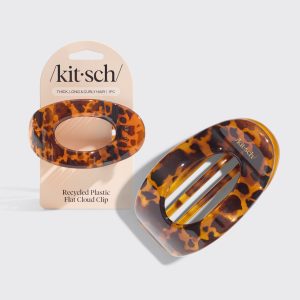
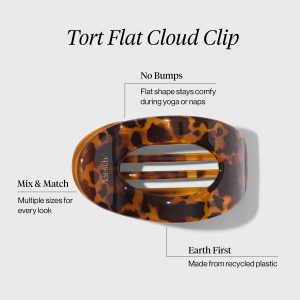
Original price was: $10.00.$5.00Current price is: $5.00.
Sale!
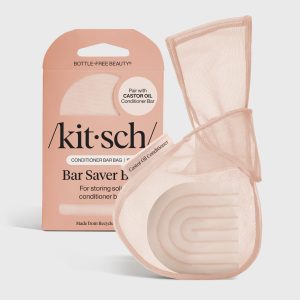
Original price was: $5.00.$2.50Current price is: $2.50.
Sale!
Original price was: $15.00.$7.50Current price is: $7.50.
Sale!
Original price was: $9.00.$4.50Current price is: $4.50.
WE’VE ALWAYS BEEN OBSESSED WITH OUR CUSTOMERS & WE THINK
The Feeling Is Mutual


Our Story
Founded by Wisconsin native Cassandra Thurswell at the age of 25, Kitsch is a global beauty powerhouse built on positivity and pure hard work. The brand supports its growing community with easy, elevated beauty solutions that are totally reliable, truly special, and made as sustainably as possible. Beginning in 2010 with a business plan no longer than a paragraph, Kitsch now supplies a full range of beauty favorites in over 20,000 retail locations worldwide. A prominent entrepreneur featured in Forbes and Inc., Cassandra continues to create elevated, sustainable beauty solutions for every moment of the day.
Navigating Texture and Density in Hair Cleansing
Not all hair is created equal, and the physical structure of your strands should dictate your cleansing routine. Whether your hair is fine and straight or thick and coiled, the weight and ingredients of your cleansing agents play a pivotal role in the final aesthetic.
Fine Hair: The Quest for Volume
For those with low-diameter hair, the primary challenge is weight. Natural oils travel quickly down straight, fine shafts, leading to a limp appearance. The ideal cleansing product for this type should be lightweight and “clear” in consistency, avoiding heavy oils or waxes that coat the hair. The goal is to lift the roots and provide enough structure so the hair doesn’t lie flat against the head.
Coarse and Curly Textures: Moisture Retention
Coiled or textured hair faces the opposite problem. Because of the twists in the hair shaft, it is difficult for natural oils to travel from the scalp to the ends. Therefore, cleansing products for these types must be highly emollient. They often contain fatty alcohols and natural humectants that deposit moisture while removing impurities. For very dry textures, “low-lather” options are often preferred to ensure the hair remains hydrated throughout the process.
Understanding Porosity
Porosity refers to how well your hair can absorb and retain moisture. High-porosity hair has gaps in the cuticle, meaning it drinks up water quickly but loses it just as fast. Low-porosity hair has a tightly closed cuticle that resists moisture. Your choice of cleanser can help manage this; for instance, warm water combined with a gentle cleanser can help open low-porosity cuticles to allow nutrients in, while cool-water rinsing helps seal high-porosity hair.